.png)




.jpg)
.png)
.jpg)

.jpg)
.jpg)
.jpg)
.jpg)
.jpg)
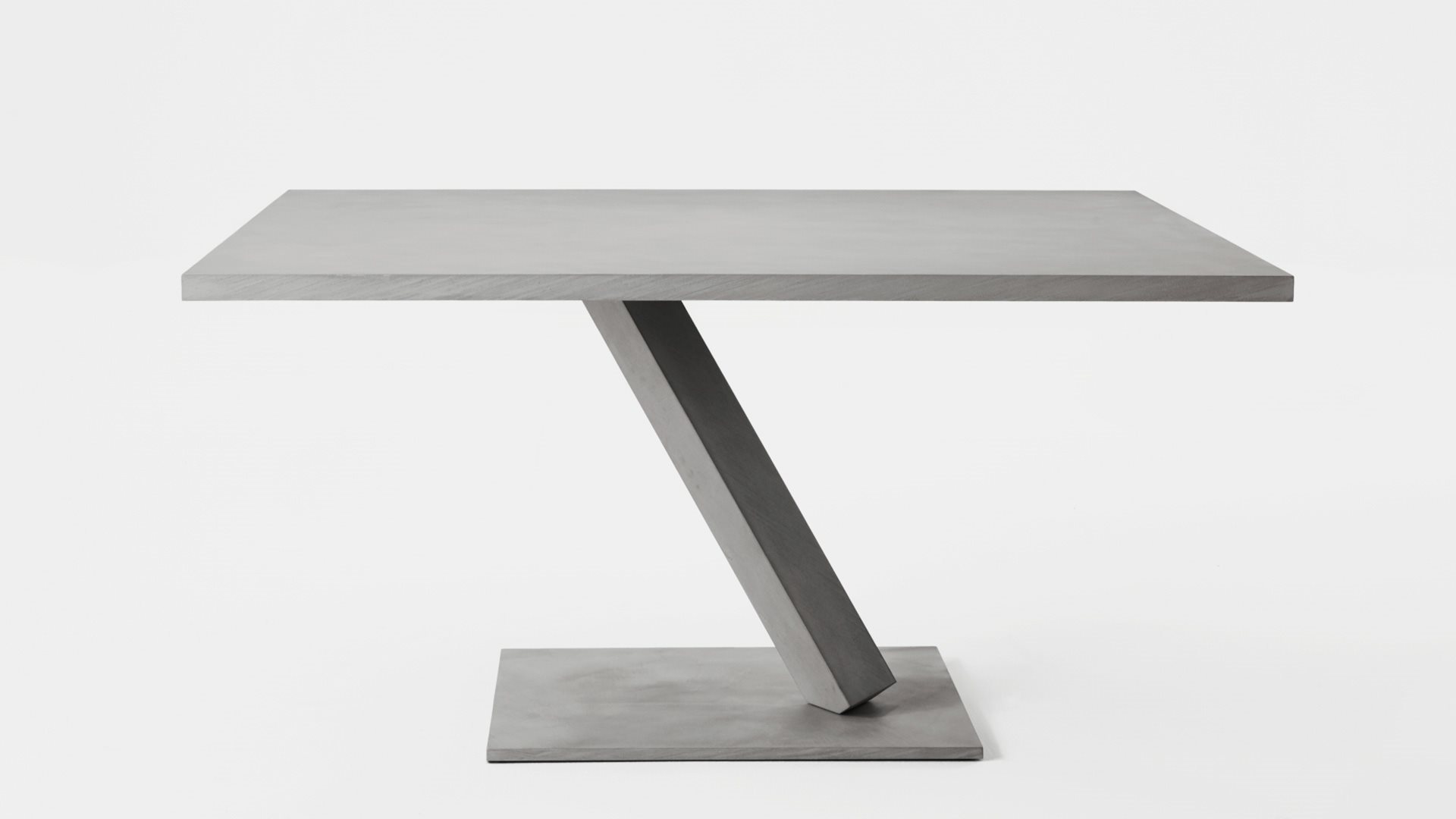
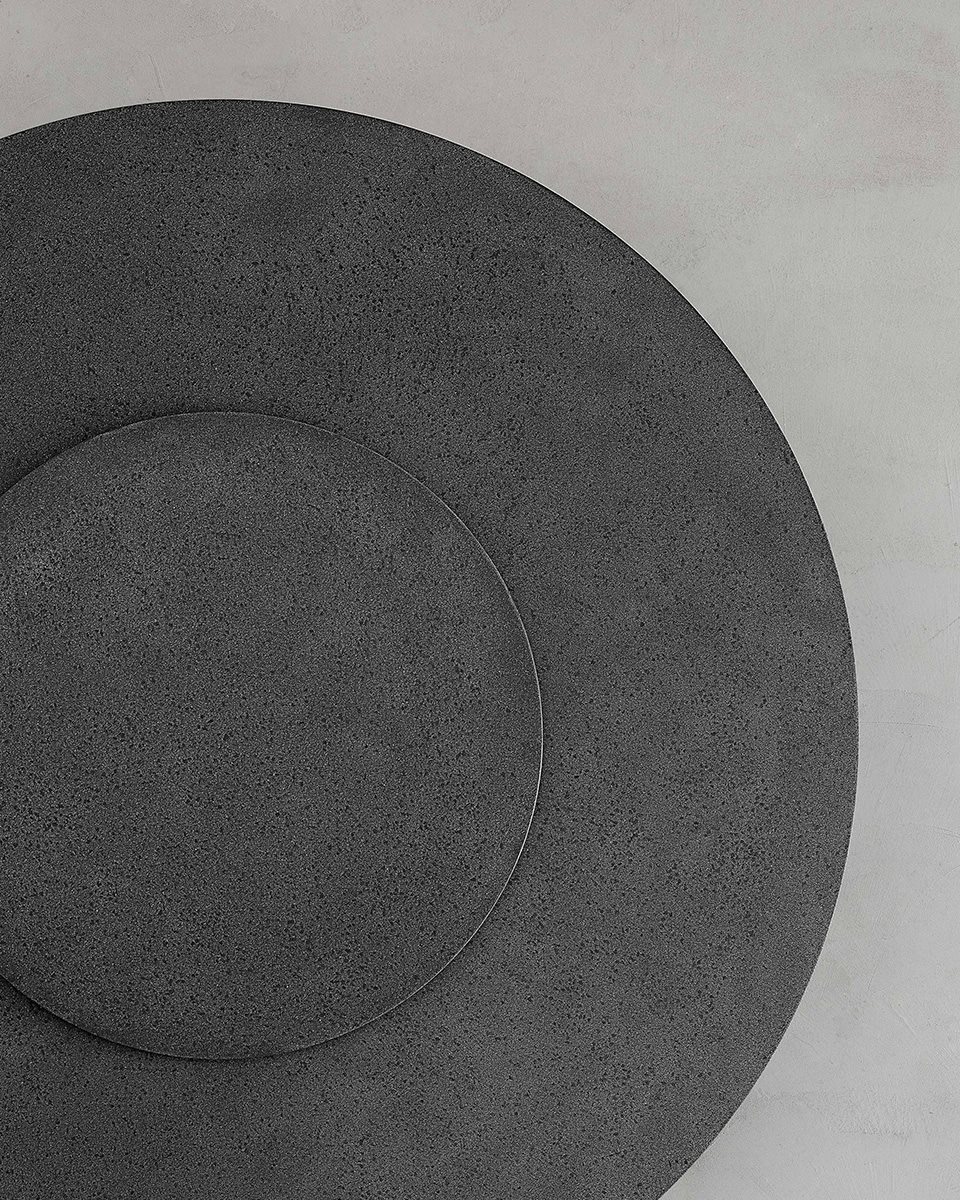
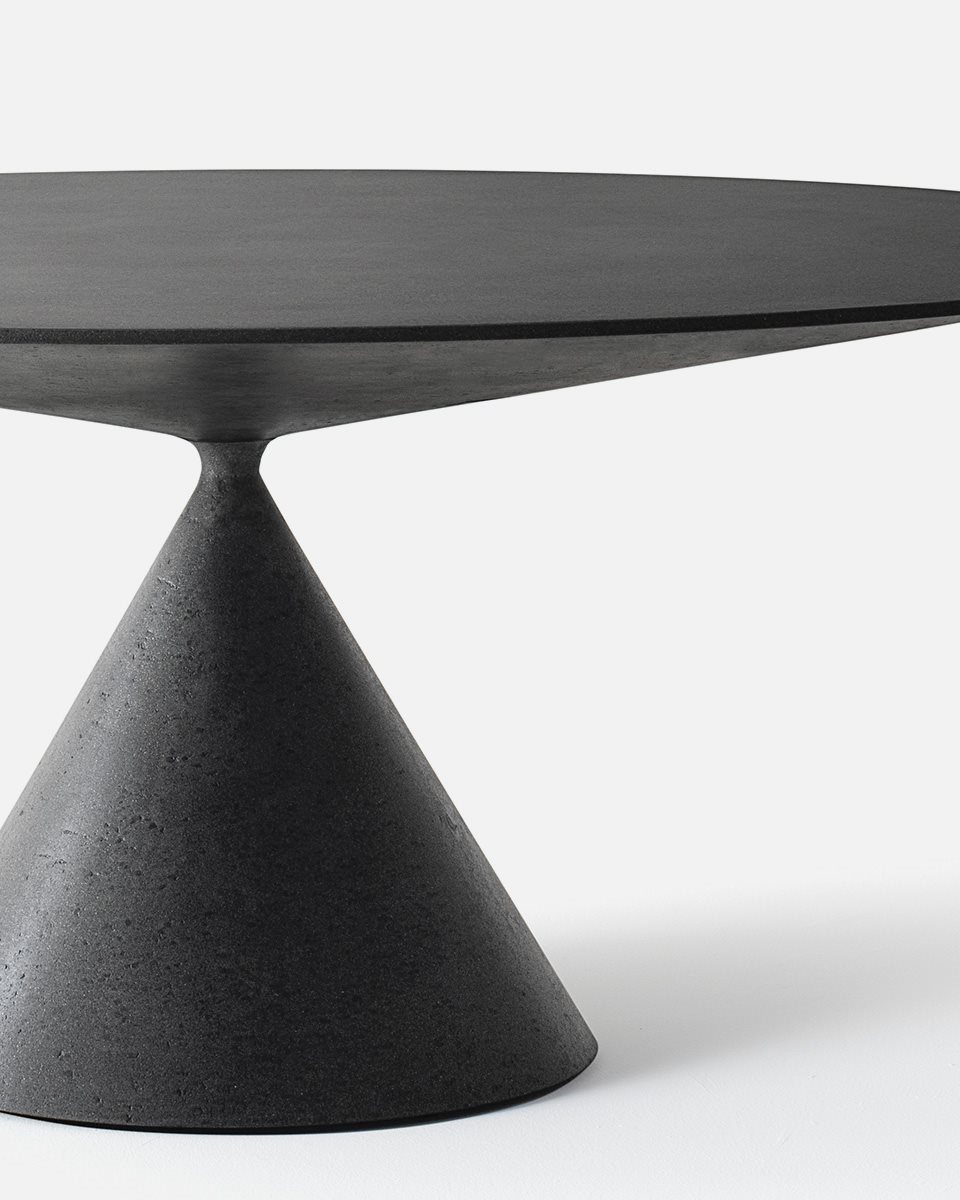

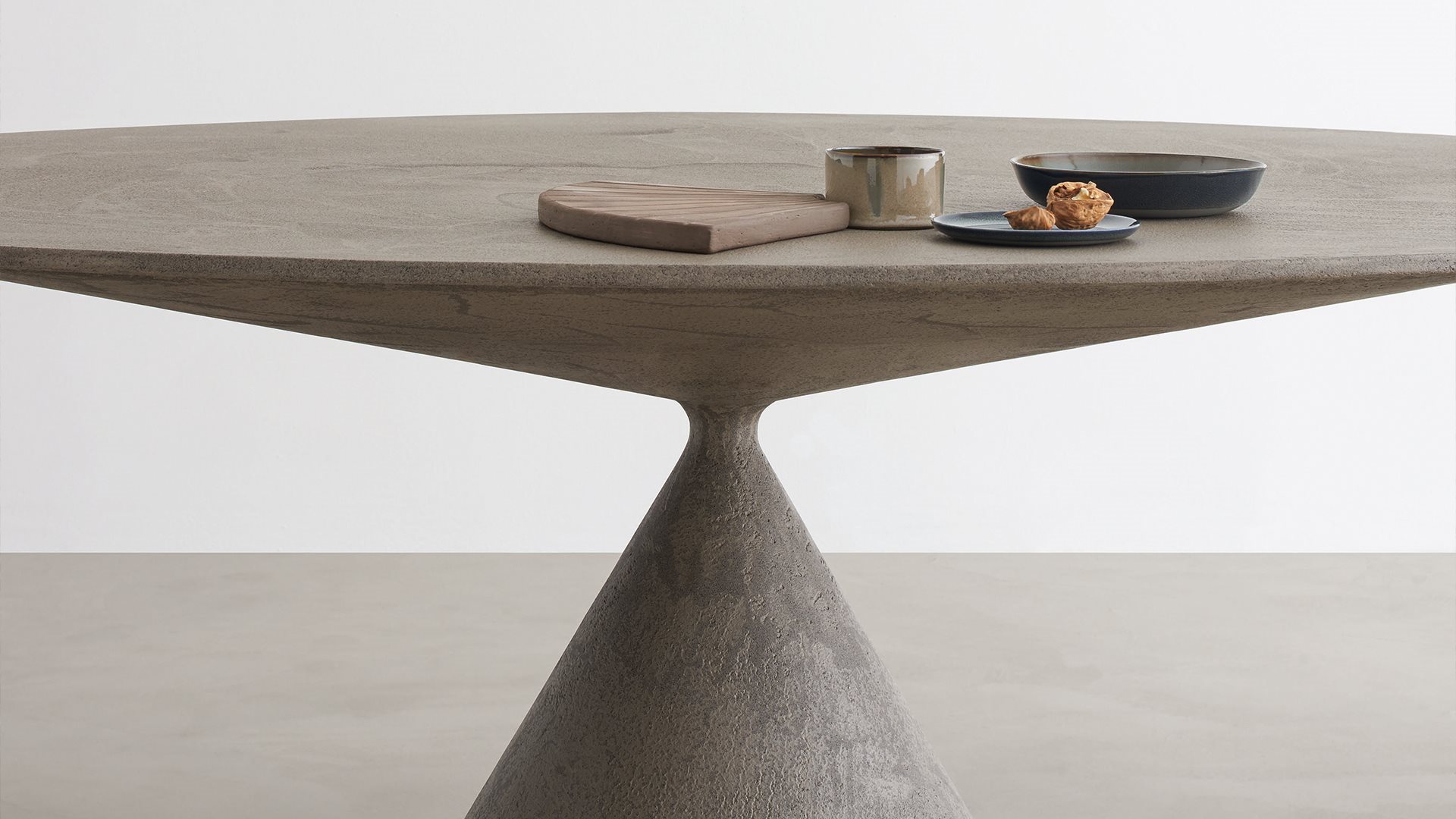
To ensure the longevity, integrity, and beauty of the finish over time, it is essential to carefully follow all maintenance instructions, using only recommended products and methods. During daily cleaning, it is advised to use circular motions across the entire surface, avoiding localized treatments or vigorous scrubbing on specific areas, which could alter the visual uniformity and color perception of the material. Many common cleaning agents contain aggressive or chemically reactive substances, such as acetone, methylene chloride, or their derivatives, which can cause permanent and irreversible damage to the surface. Therefore, it is crucial never to use products that are not indicated for cleaning designer surfaces. If, by mistake, an inappropriate detergent comes into contact with the surface, it is necessary to act immediately, rinsing the area thoroughly with plenty of water and neutral soap to prevent streaks, stains, or color alterations. It is strongly advised not to place hot objects directly on the surface, such as pots or trays just removed from the oven, as direct contact with high temperatures may cause warping, discoloration, or changes to the surface finish, compromising the aesthetic appearance of the top.
DAILY CLEANING
For routine maintenance, simply use a soft cloth or slightly damp sponge with a mild detergent free of solvents, abrasive components, or aggressive chemicals. It is recommended to clean the entire surface, even when dirt is not visible, to preserve the material’s uniformity and minimize the risk of localized stains. After cleaning, rinse thoroughly with clean—preferably demineralized—water and dry with a soft cloth, ensuring no detergent residues remain that could cause streaks or dullness over time.
STUBBORN STAINS
In the case of pigmented or oily substances, such as coffee, tea, red wine, vegetable oils, food coloring, or spices, daily cleaning may not be sufficient. There is no universal solution for every type of stain, but progressive methods can be applied:
- Use a soft sponge dampened with neutral detergent, gently rubbing the affected area;
- If necessary, repeat the process with cleaners designed for glass or crystal (e.g., Vetril), always using light, circular motions.
After each intervention, it is essential to thoroughly rinse the entire surface with clean water and dry with a soft cloth to restore the original appearance and maintain a uniform finish.
CHEMICAL STAINS
Prolonged exposure to aggressive chemicals can irreversibly damage the surface. In case of accidental contact with substances such as paint strippers, professional metal or oven cleaners, thinners, acetone- or methylene chloride-based solvents, or acidic/alkaline detergents, immediate action is required. Quickly remove the chemical with plenty of water and neutral soap, ensuring it does not remain on the surface for an extended period. Afterwards, always perform a complete wash of the entire area using a mild detergent followed by a rinse with clean water to even out the appearance and preserve the quality and aesthetics of the finish.
GENERAL PRECAUTIONS
To prevent mechanical damage, avoid cutting or dragging sharp or pointed objects directly on the surface. The use of cutting boards, trivets, or similar protective measures is always recommended to safeguard the surface from scratches, impacts, and excessive heat.
By carefully following these instructions, the surface will retain its aesthetic and functional qualities over time, continuing to reflect quality and durability while showcasing the care and excellence of the original material in every detail.
.jpg)