.png)
.jpg)
.png)
.jpg)

.jpg)
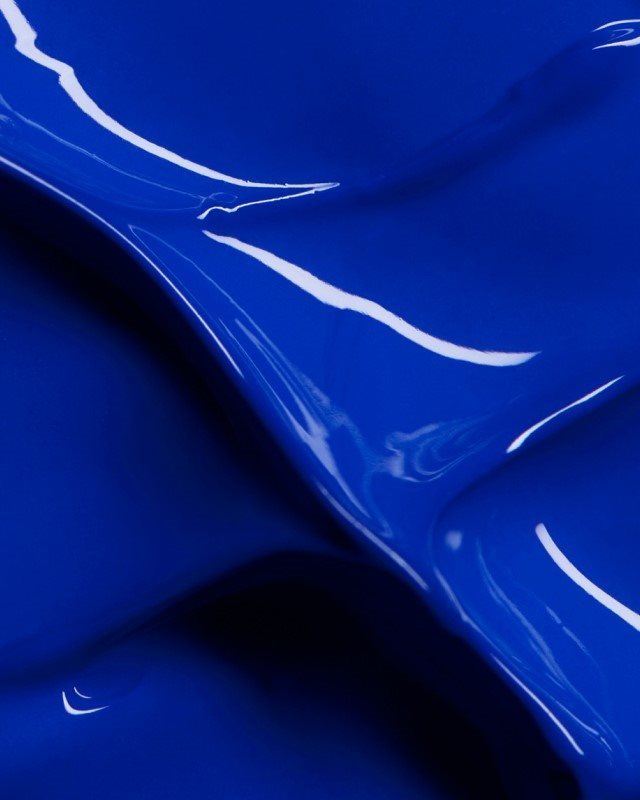
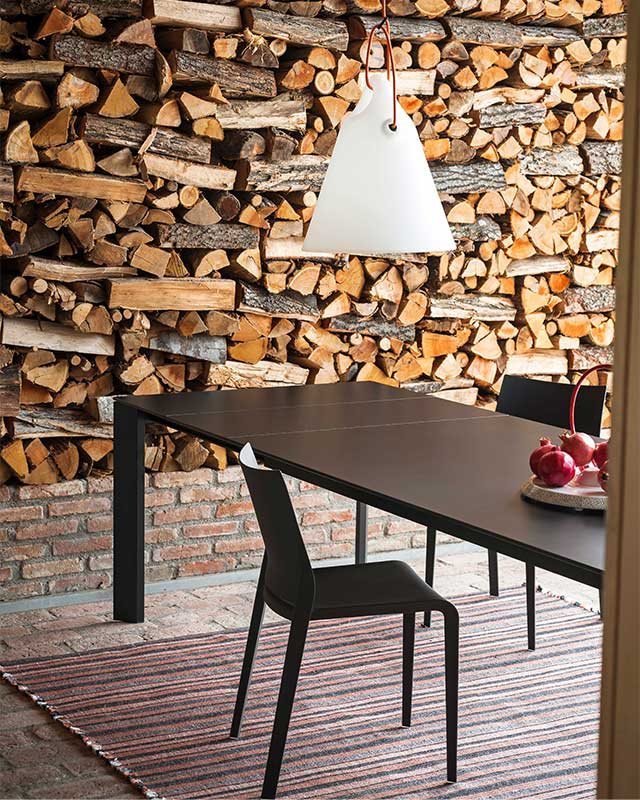
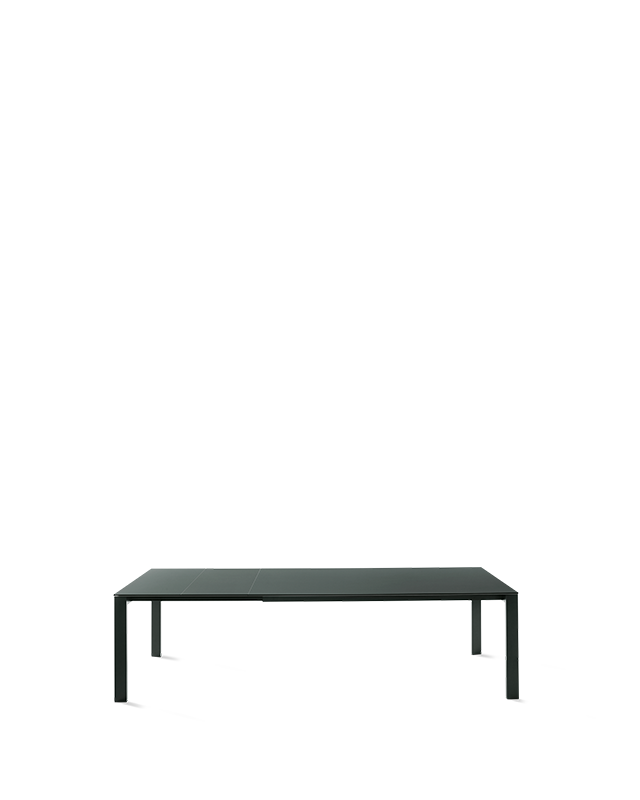
Disassembling table with steel frame, metal or MDF top, in lacquered or materic spread by hand nishings.
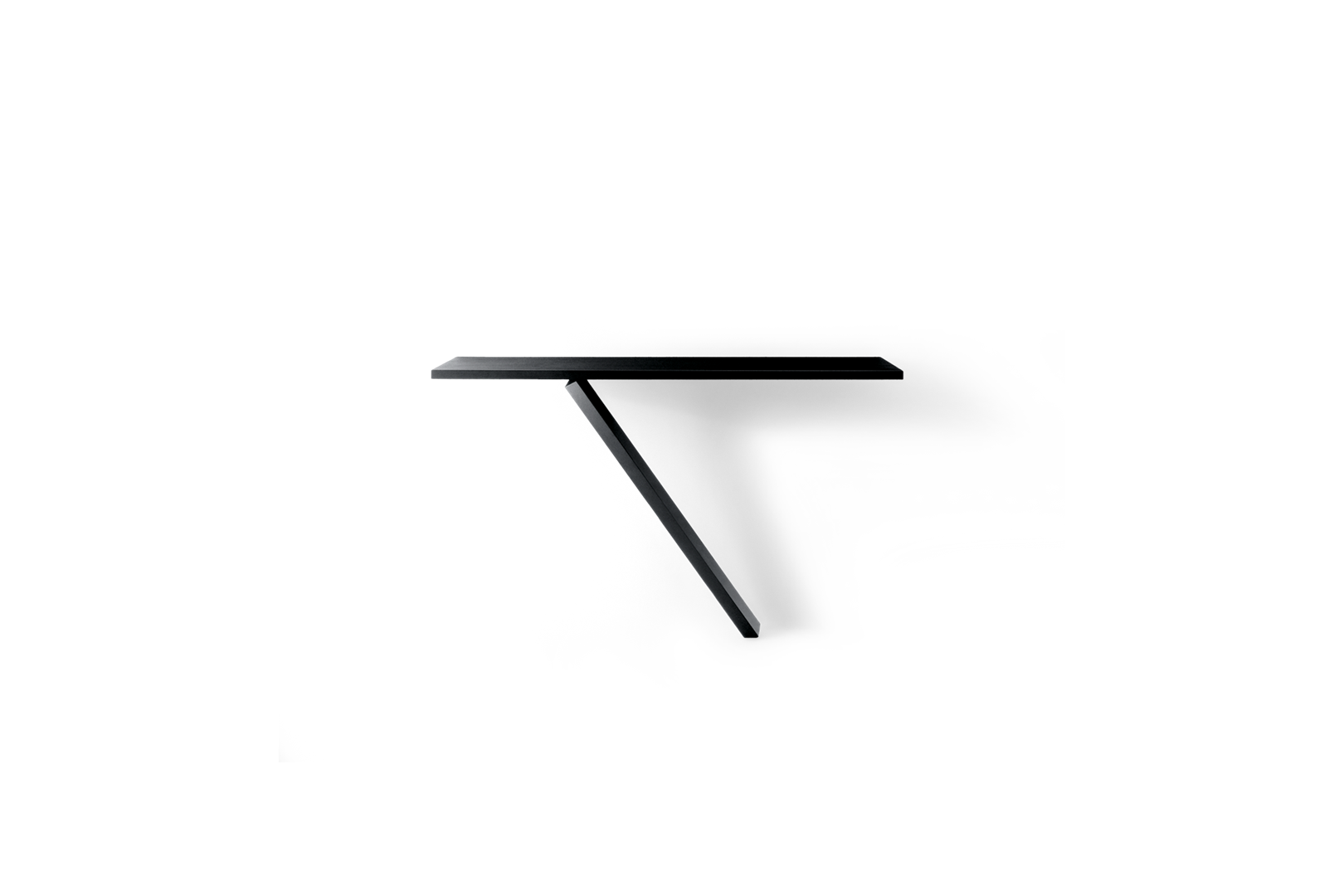
Element
Tokujin Yoshioka, 2013
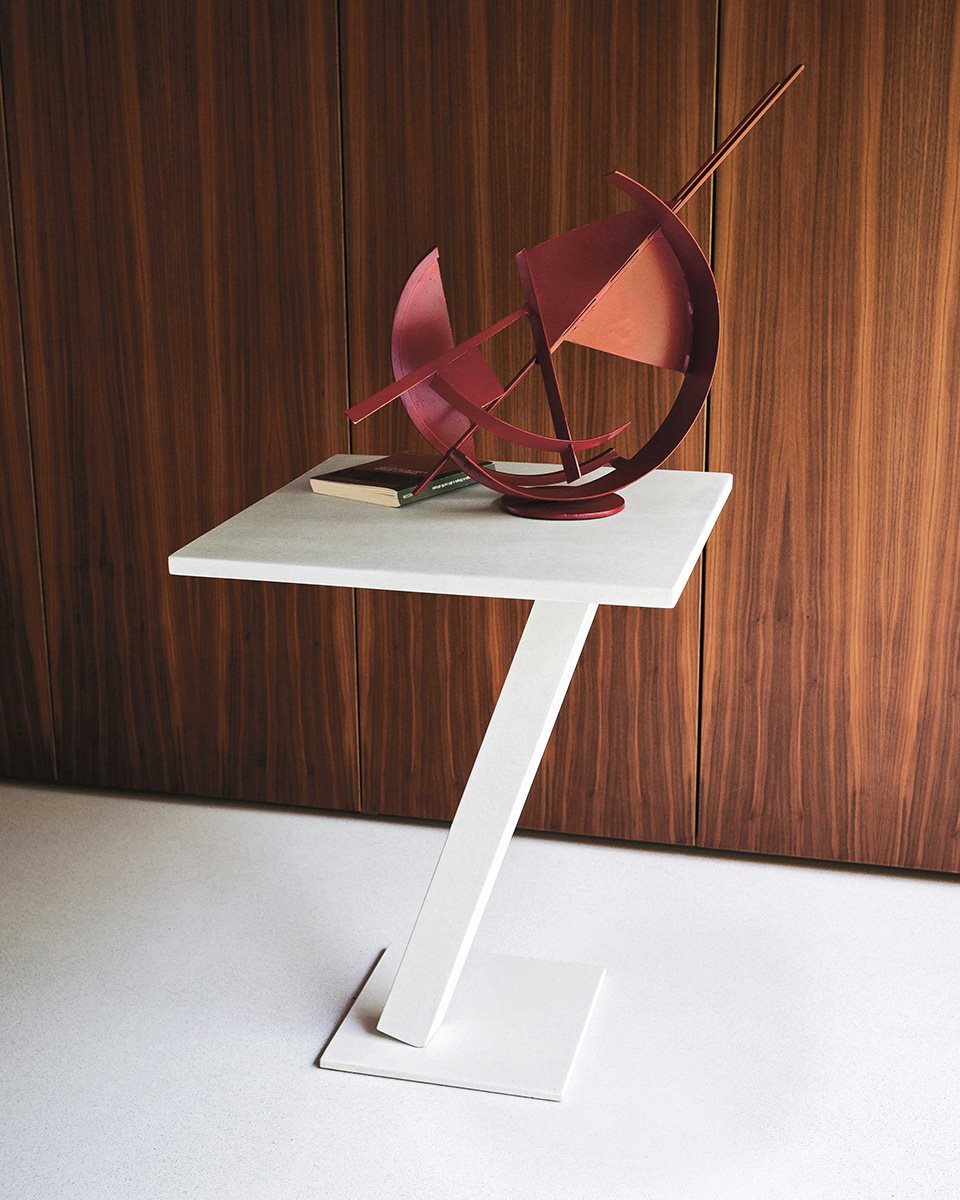
The Element project unfolds into a family of furnishings that applies the same sculptural vision to both coffee tables and consoles. The exploration of form, inspired by the structure of crystals and the spontaneous beauty of nature, is reinterpreted across different scales and functions while maintaining a coherent and distinctive language. Each piece preserves the central core of the collection: an inclined volume that serves as a support, evoking minerals and quartz, and imparting dynamism and visual tension.
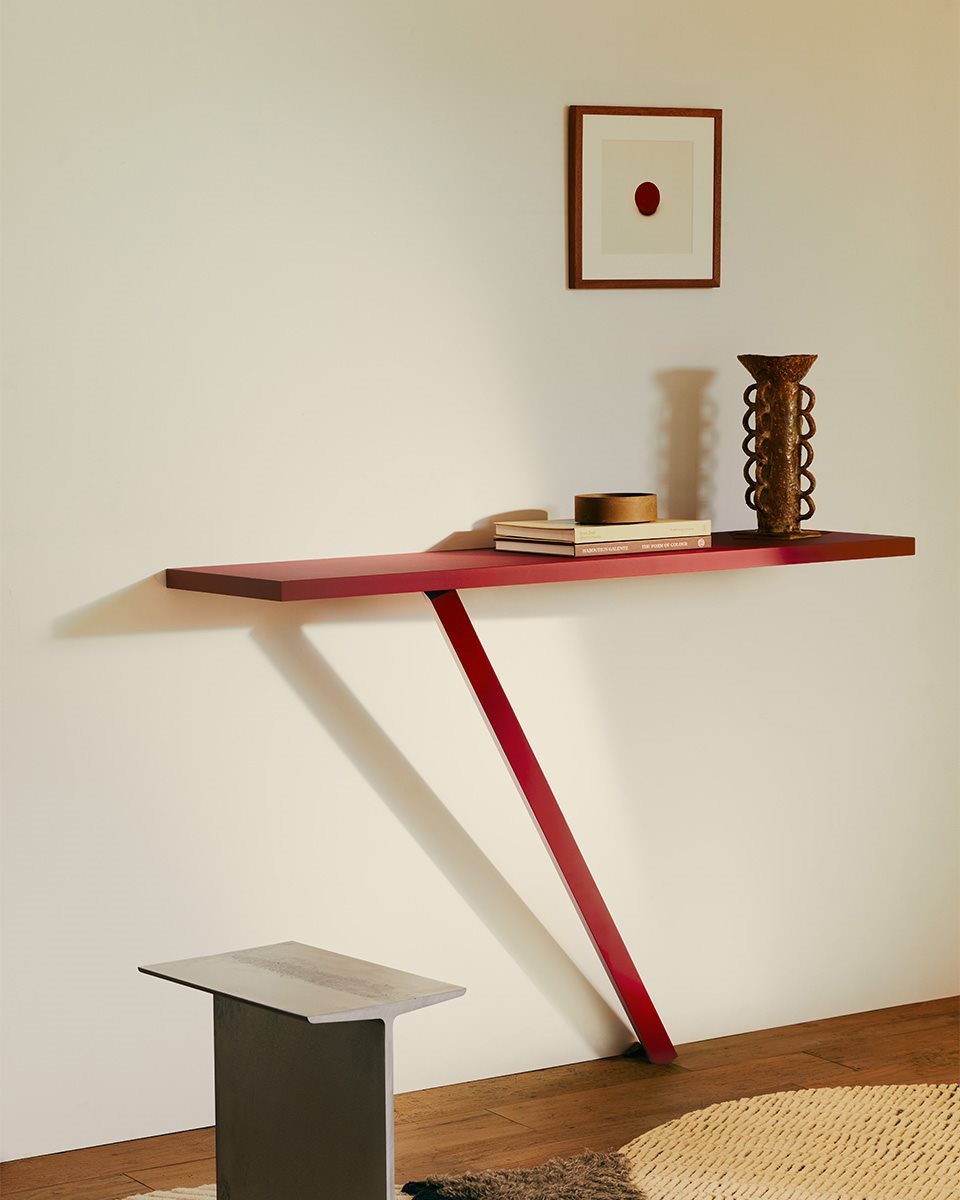
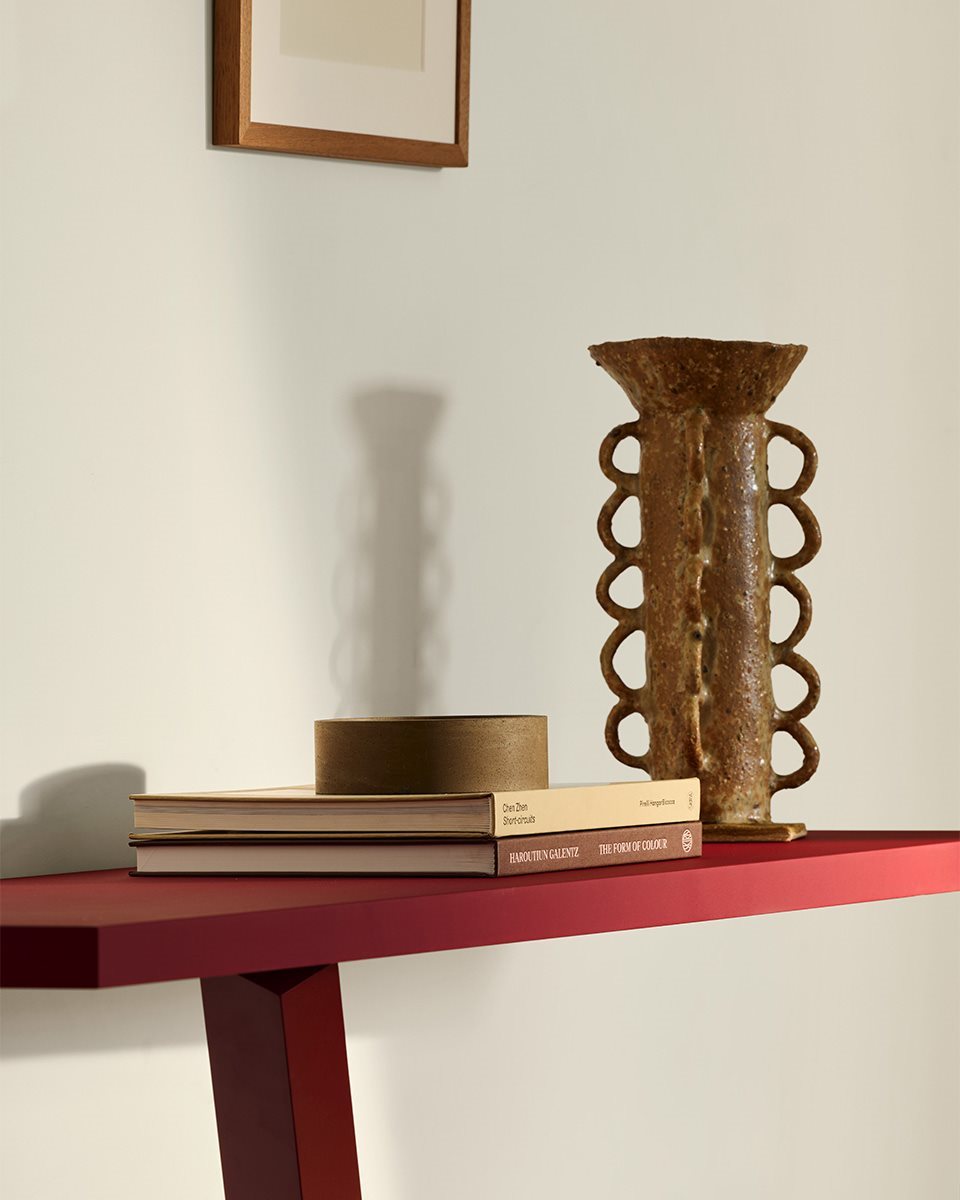
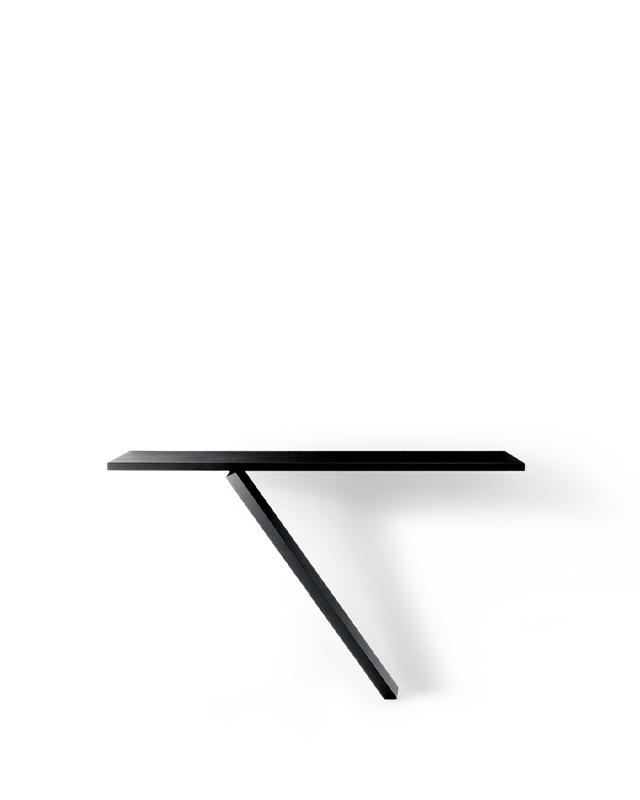
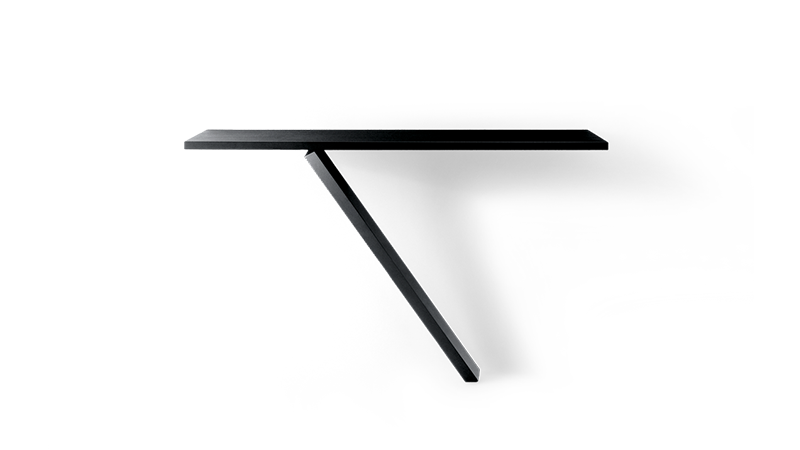
Element Console stems from a reflection on sculptural form as the generative principle of the project. Inspired by the spontaneous structure of crystals and their unpredictable growth, it translates the irregular harmony of nature into a rigorous, contemporary architectural statement. At its core lies a single central support: an inclined metal parallelepiped that recalls minerals and quartz through its geometry and sculptural presence. Positioned at an angle, balanced between floor and top, it introduces a visual tension that challenges the perception of gravity while ensuring absolute structural stability. The top, slender and precisely proportioned, extends with clarity above this inclined volume, creating a composition that is essential yet strongly expressive. Element Console goes beyond the function of a simple supporting surface to become a sculptural presence capable of defining the identity of a space. An object that brings nature and artifice, randomness and control into dialogue, transforming a formal intuition into a calibrated balance between material strength and perceptual lightness.
.jpg)
.jpg)
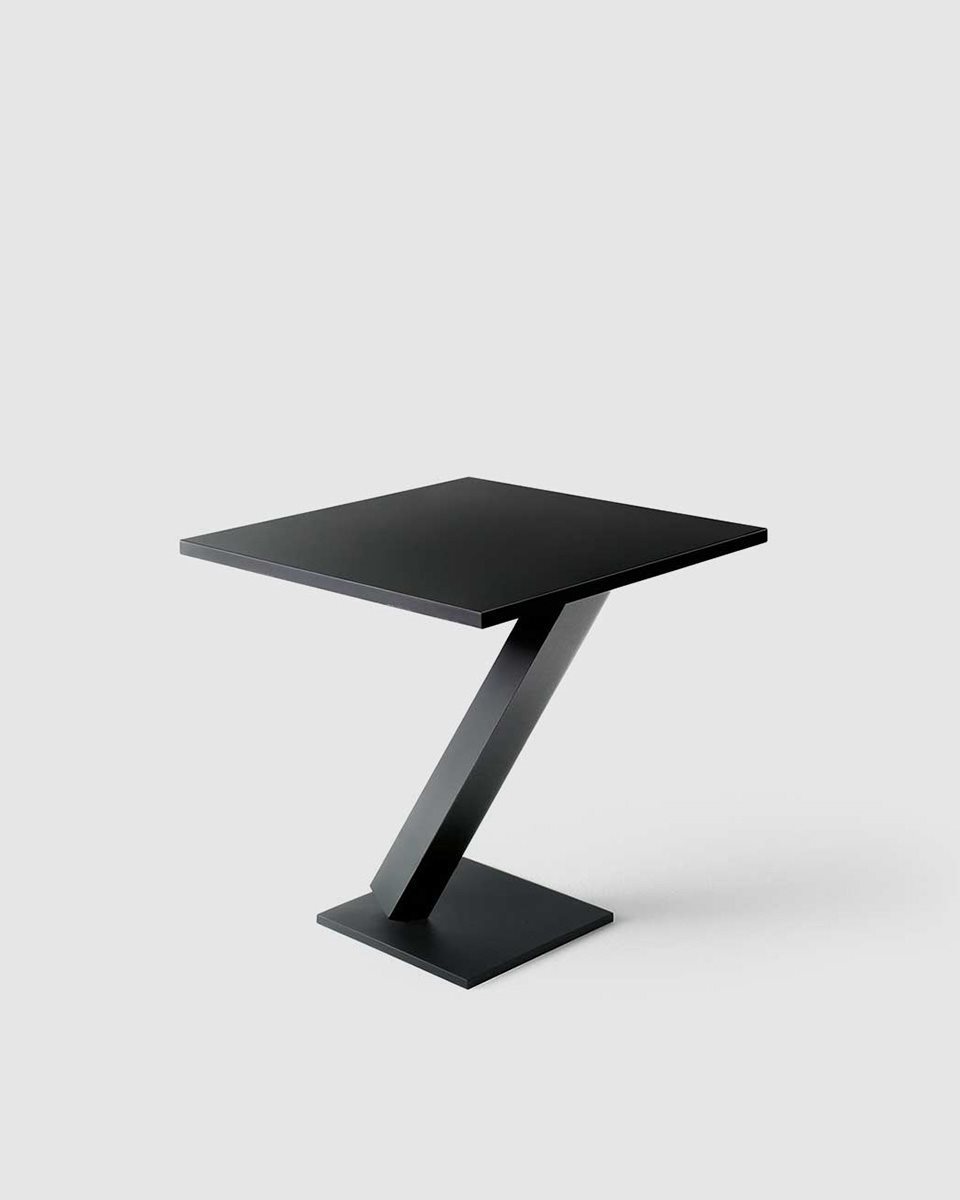
Element Coffee Table represents the most radical essence of the project. Here, the research focuses on the balance between mass and void, entrusting the entire structure to a single inclined central support. The metal parallelepiped, inspired by mineral forms, is positioned at an angle beneath the top, creating an off-centre visual barycentre that generates dynamism and sculptural tension. Stability relies on engineering precision, while the perception is that of a suspended volume, almost crystallised in a moment of movement. Compact yet incisive, the coffee table becomes a three-dimensional element that engages with the space from every perspective. The purity of the surfaces and the sharpness of the edges enhance the expressive strength of the metal, transforming a furnishing piece into an object with a sculptural character, capable of introducing rhythm and identity into the environment.
.jpg)
.jpg)
0/0
0/0
Product information
Information
Dimensions
.svg)
Element Low-Table
Height
43-56 cm
Measures
45 x 45 cm
Height
43-56 cm
Measures
45 x 45 cm
.svg)
Element Consolle
Height
95 cm
Measures
38 x 130 cm
38 x 150 cm
Height
95 cm
Measures
38 x 130 cm
38 x 150 cm
Finishing Structure
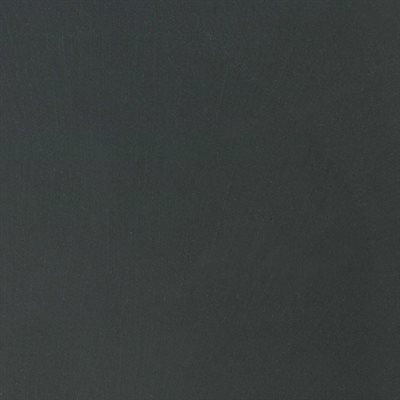
D56 ARDESIA CONCRETE
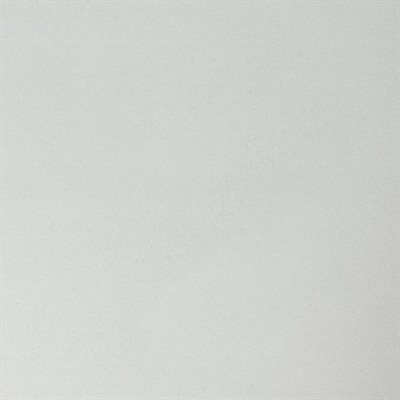
D58 GHIACCIO CONCRETE
_G8991.jpg)
D59 CACAO CONCRETE
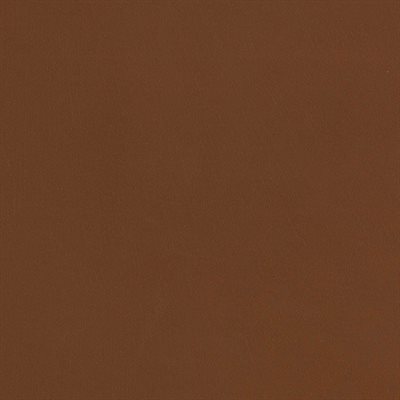
D60 MATTONE RED CONCRETE
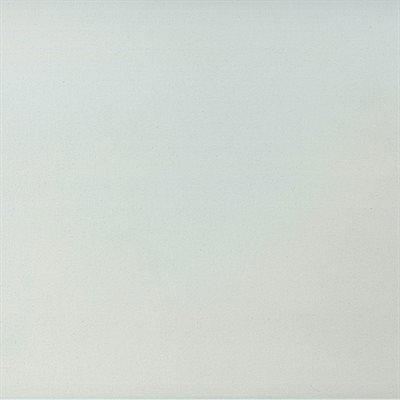
D61 WHITE CONCRETE
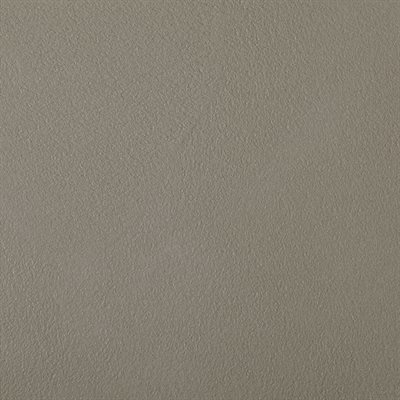
D65 LUNA GREY CONCRETE
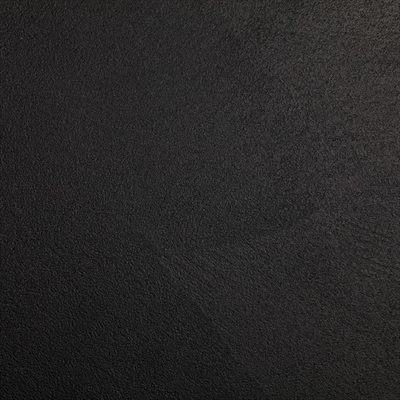
D66 BLACK CONCRETE
_G5694.jpg)
D62 COURT GREY
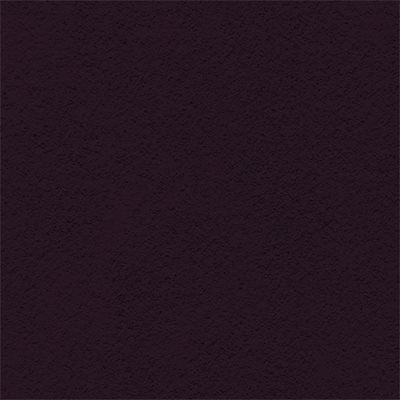
D53 MELANZANA PURPLE CONCRETE
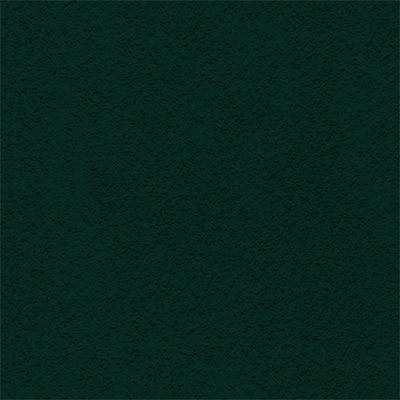
D54 BOSCO GREEN CONCRETE
.jpg)
B12 WHITE - MATT
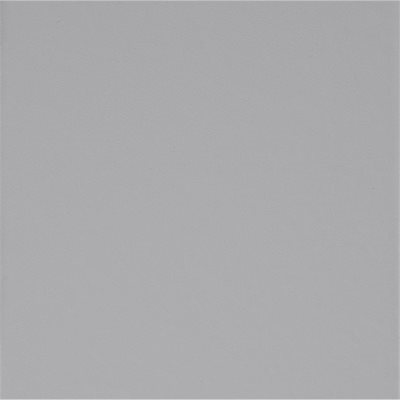
B34 LIGHT GREY - MATT
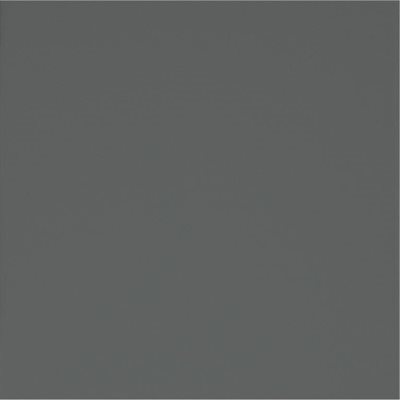
B82 GREY - MATT

B42 GRAFITE - MATT

B46 BLACK - MATT
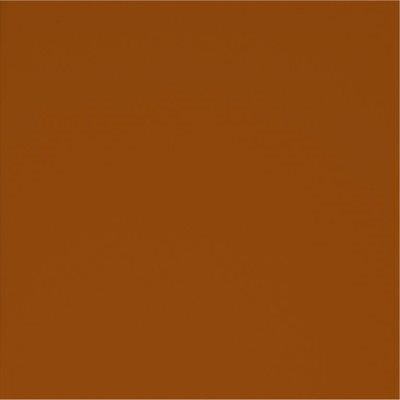
B10 BECCO D'OCA ORANGE - MATT
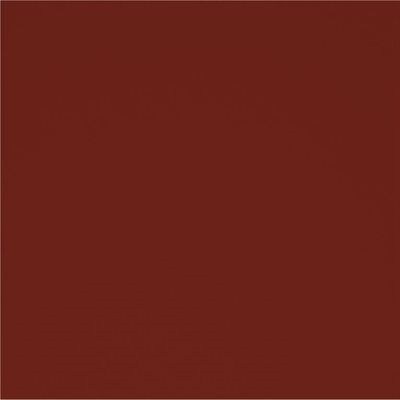
B56 RUGGINE - MATT
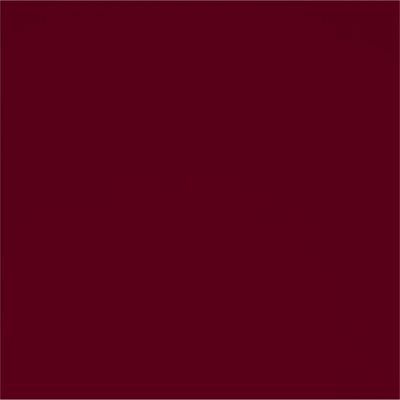
B11 DARK RED - MATT
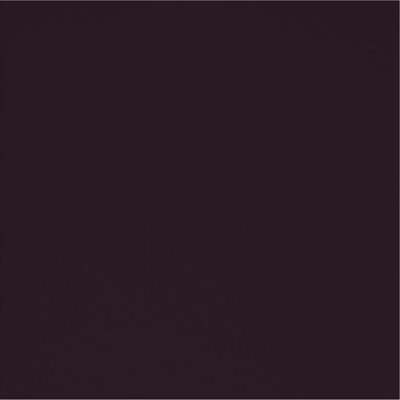
B18 MELANZANA PURPLE - MATT
B93 OLTREMARE BLUE - MATT
.jpg)
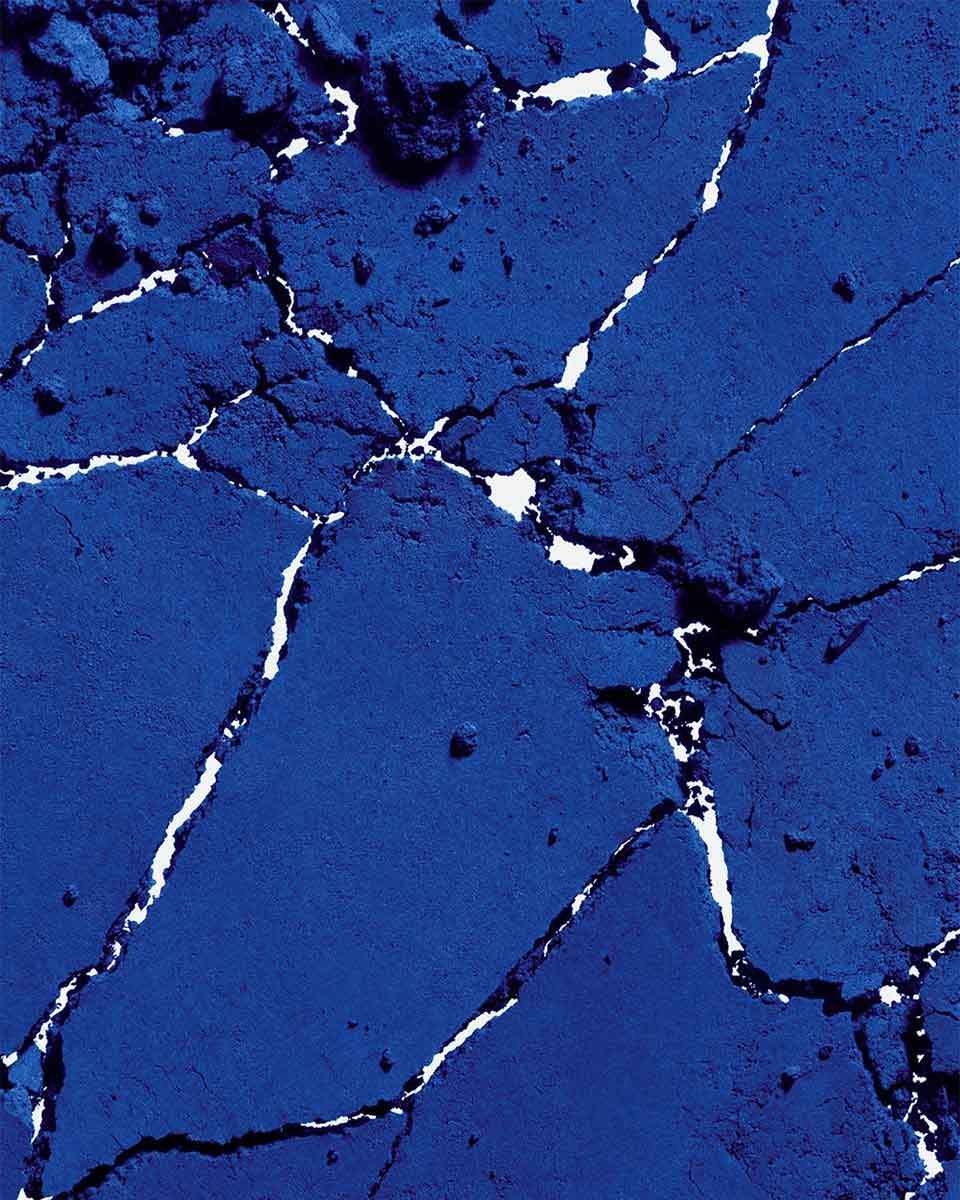
B94 COBALTO BLUE - MATT
B03 MARE GREEN - MATT
B02 PRATO GREEN - MATT
B04 BOSCO GREEN - MATT

B24 BROWN - MATT
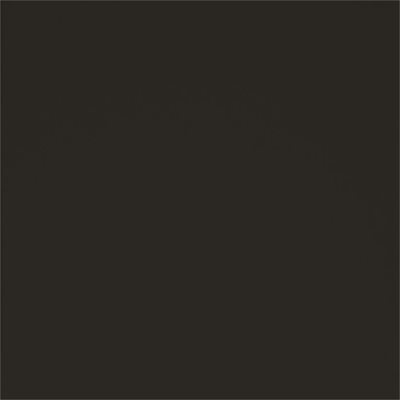
B22 BUNGEE BROWN - MATT
.jpg)
B95 OCEANO BLUE - MATT
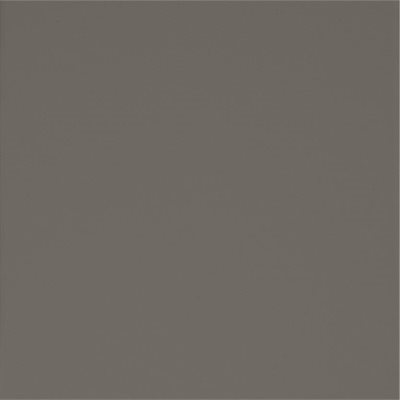
B41 TORTORA - MATT
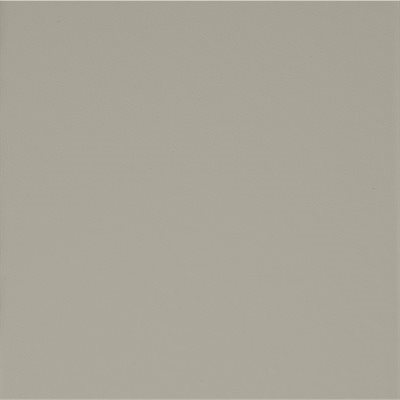
B13 SABBIA - MATT

B01 FERROMICACEO
Downloads
Designer
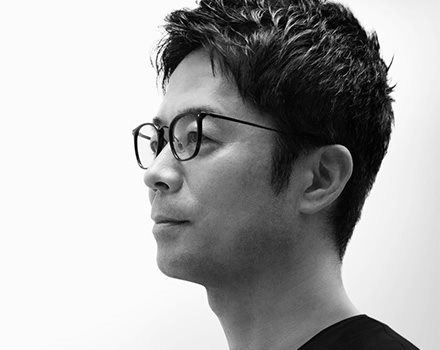
Born in 1967. He worked under Shiro Kuramata and Issey Miyake, and established his own studio, TOKUJIN YOSHIOKA INC. in 2000. His experimental and innovative creations along with the nature and the senses, which transcend the boundaries of art, design, and architecture, are highly evaluated in the world. He received numbers of international design awards such as "Mainichi Design Award 2001", "Cultural Affairs Section of Government of Japan, Encourage Prize 2006", "Design Miami Designer of the Year 2007", "Elle Deco International Design Awards Designer of the Year 2009", "TOKYO Design & Art ENVIRONMENTAL AWARDS Artist of the Year 2010. Some of his most important works are exhibited as a part of permanent collections in the world’s well-known museums such as Museum of Modern Art (MoMA) in New York, Centre National d’Art et de Culture Georges Pompidou in Paris, The Victoria and Albert Museum, Cooper Hewitt National Design Museum and Vitra Design Museum. Some pieces of “Water Block” are permanently exhibited with masterpieces of Monet, Cézanne and Renoir in the Impressionist Gallery at Musée d’Orsay, Paris.