.png)
.jpg)
.png)
.jpg)

.jpg)
Glass and mirror tabletops are refined surfaces, valued for their brightness and their ability to enhance any environment. To preserve their original brilliance and maintain both aesthetic and functional qualities over time, it is essential to adopt some simple but important precautions during daily use and cleaning.
ROUTINE CLEANING
For regular cleaning, it is recommended to use commercially available glass or mirror cleaners, or mild water-and-soap solutions. Apply the product with a soft, clean, lint-free cloth, preferably microfiber, slightly damp but not overly wet. Avoid spraying the cleaner directly onto the surface; it is better to mist it onto the cloth to reduce the risk of liquid seeping into edges or joints, where it could damage seals or metal components. After cleaning, carefully dry the surface with a second soft, dry cloth to remove any residue and prevent streaks or watermarks.
STAIN REMOVAL
For persistent stains or marks caused by grease, fingerprints, beverages, or adhesives, act promptly to prevent residues from drying. Use a neutral detergent or a glass-specific cleaner and let it sit briefly before wiping. For more stubborn dirt, diluted ethyl alcohol (never pure) or a small amount of acetone may be used, testing first on an inconspicuous area. Never use abrasive sponges, steel wool, or products containing acids, concentrated ammonia, bleach, or aggressive solvents, as these may irreversibly damage the finish or the mirror’s reflective layer.
USAGE PRECAUTIONS
Avoid placing hot, sharp, or heavy objects directly on the surface, as they could cause scratches, cracks, or thermal shocks. Using coasters, placemats, or protective pads helps preserve the integrity of the tabletop over time.
MIRRORS
Mirror surfaces are particularly delicate due to their reflective backing and require extra care. Never use cleaners containing ammonia or alkaline substances, which can damage the silvered layer on the back. During cleaning, ensure the edges remain dry, as prolonged moisture can compromise the protective coating and reduce reflection quality over time. Cleaning with mirror-specific detergents and soft cloths remains the safest recommended approach.
It is advisable to perform periodic visual inspections to check for scratches, micro-fractures, or chips. In case of visible damage, the surface should be replaced and not used until the intervention is completed.
Glass & Mirrors
Light, reflections, and transparency: crystal and mirror surfaces transform a tabletop into a stylish element capable of enhancing space and bringing elegance to any environment. These materials, long associated with sophistication, highlight the purity of forms and interact with surrounding light, creating unique visual effects. When used as tops for tables and coffee tables, they become precious surfaces that elevate and enrich any furniture design project.
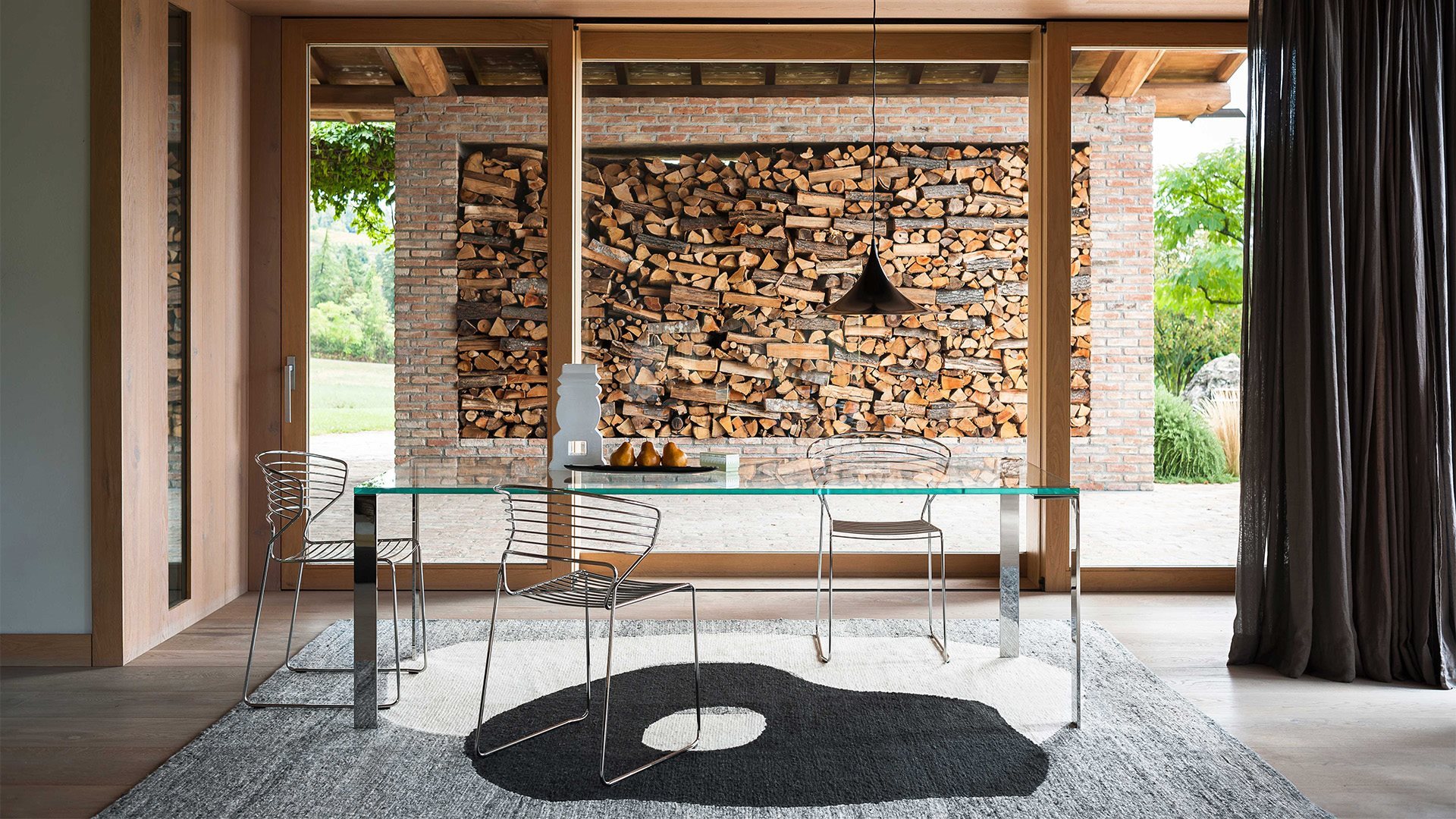
Crystal, traditionally valued for its transparency and the aesthetic appeal it brings to surfaces, can also play a structural role within a design. Thanks to specific thicknesses and manufacturing techniques, this material becomes not only a decorative surface but a true supporting element, providing solidity and strength while maintaining visual lightness.
.jpg)
.jpg)
.jpg)
.jpg)
.jpg)
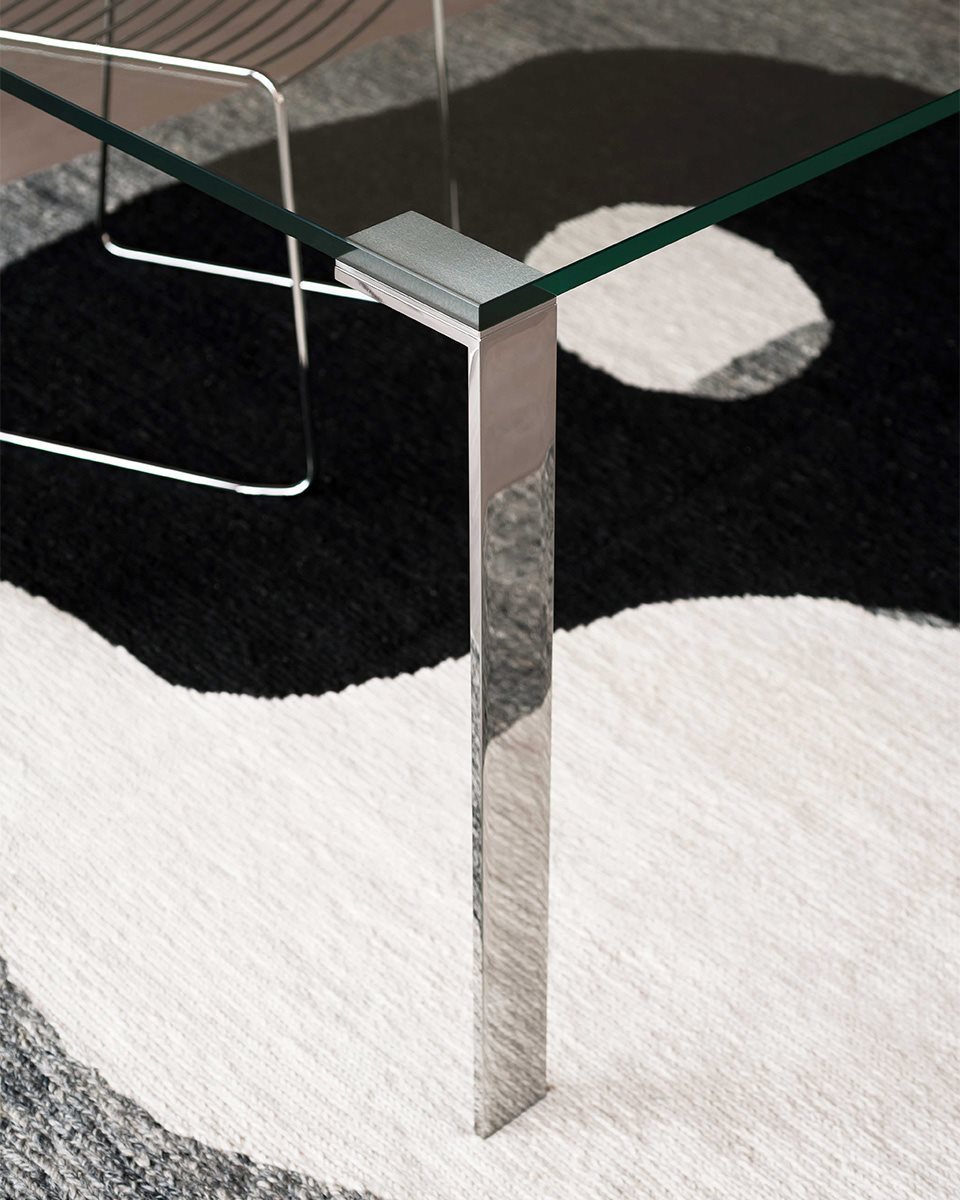
A clear example is the use of crystal in tables such as the Liko Glass, where the tabletop integrates with the structure and becomes an active part of the product’s architecture, combining technical precision with formal purity. Using crystal as a tabletop material transforms every surface into an element of extraordinary elegance: its transparency and natural brilliance provide visual lightness, enhancing the beauty of surrounding materials and giving the table a luminous appearance. Beyond aesthetics, crystal also offers strength and durability, ensuring a solid and reliable surface. Each table with a crystal top thus becomes a design piece capable of enhancing the space in which it is placed.
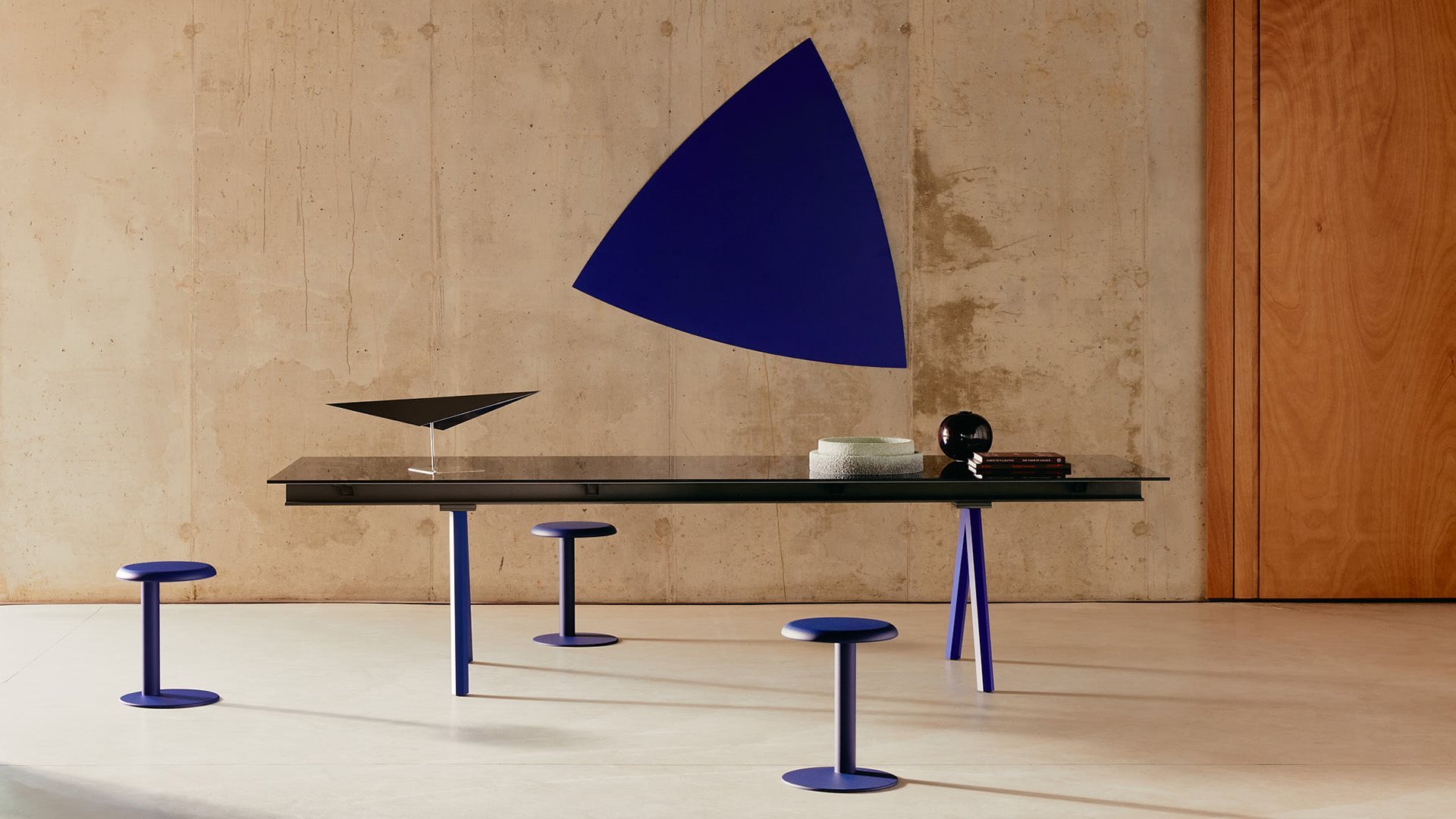
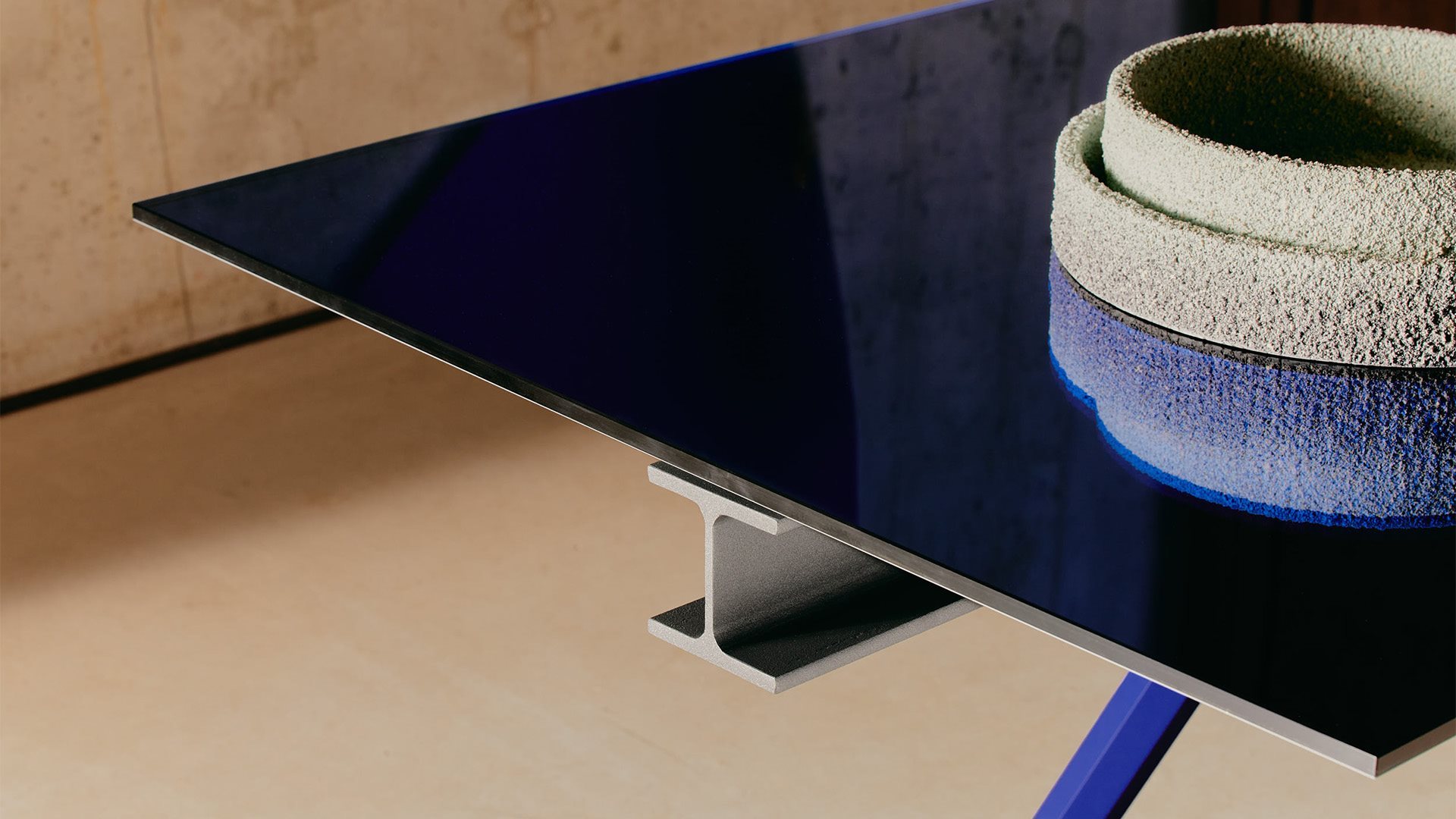
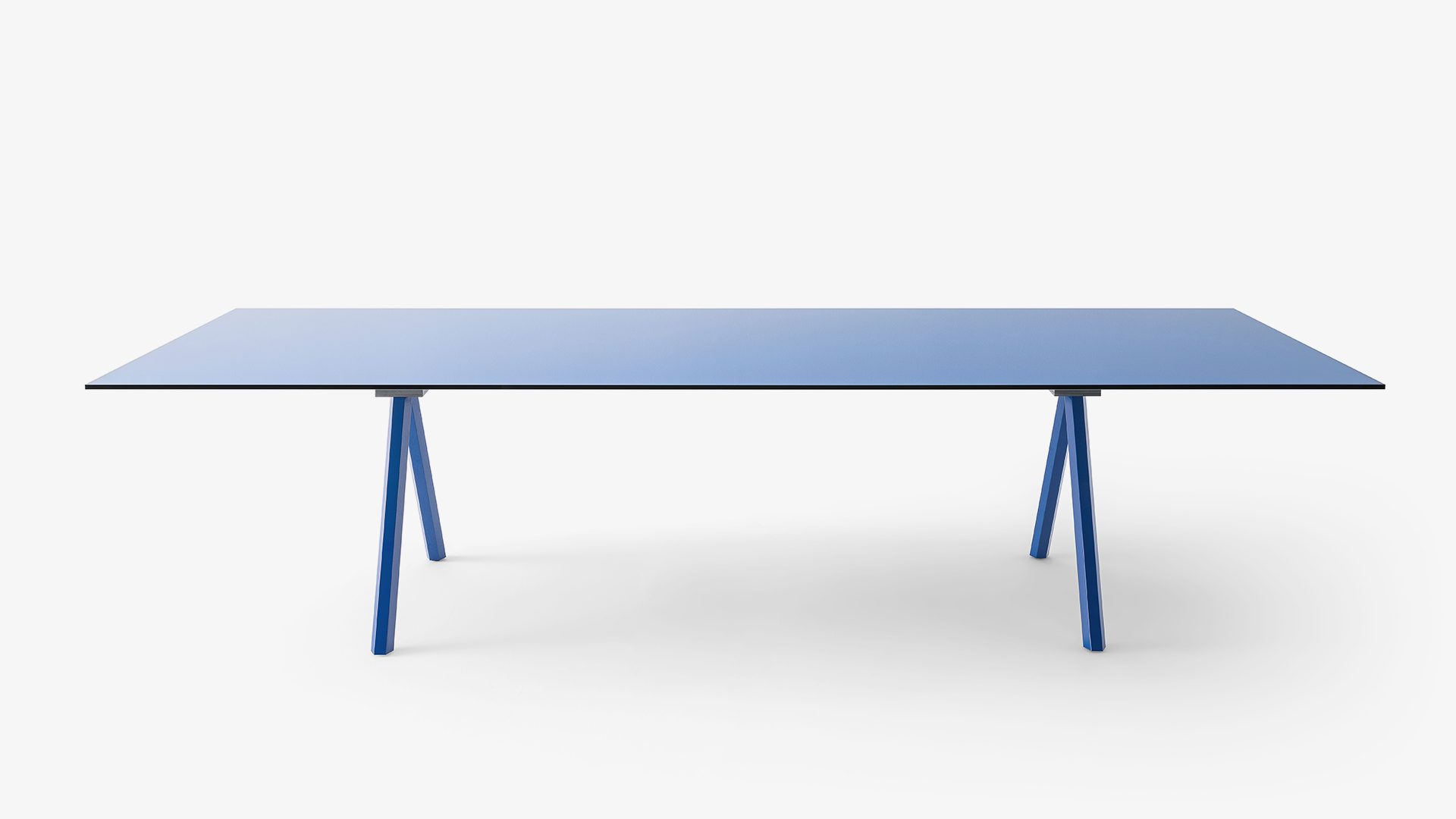
Mirror, traditionally associated with decorative elements and accessories, finds new applications in contemporary design, elevating it to a prestigious material for table and coffee table tops. Its reflective effect adds depth and brightness, transforming the tabletop into a striking surface that interacts with the surrounding environment. In the HEB piece, for example, mirror is used as a distinctive element of the top, enhancing the sculptural strength of the structure with a refined finish that amplifies the perception of material and light.
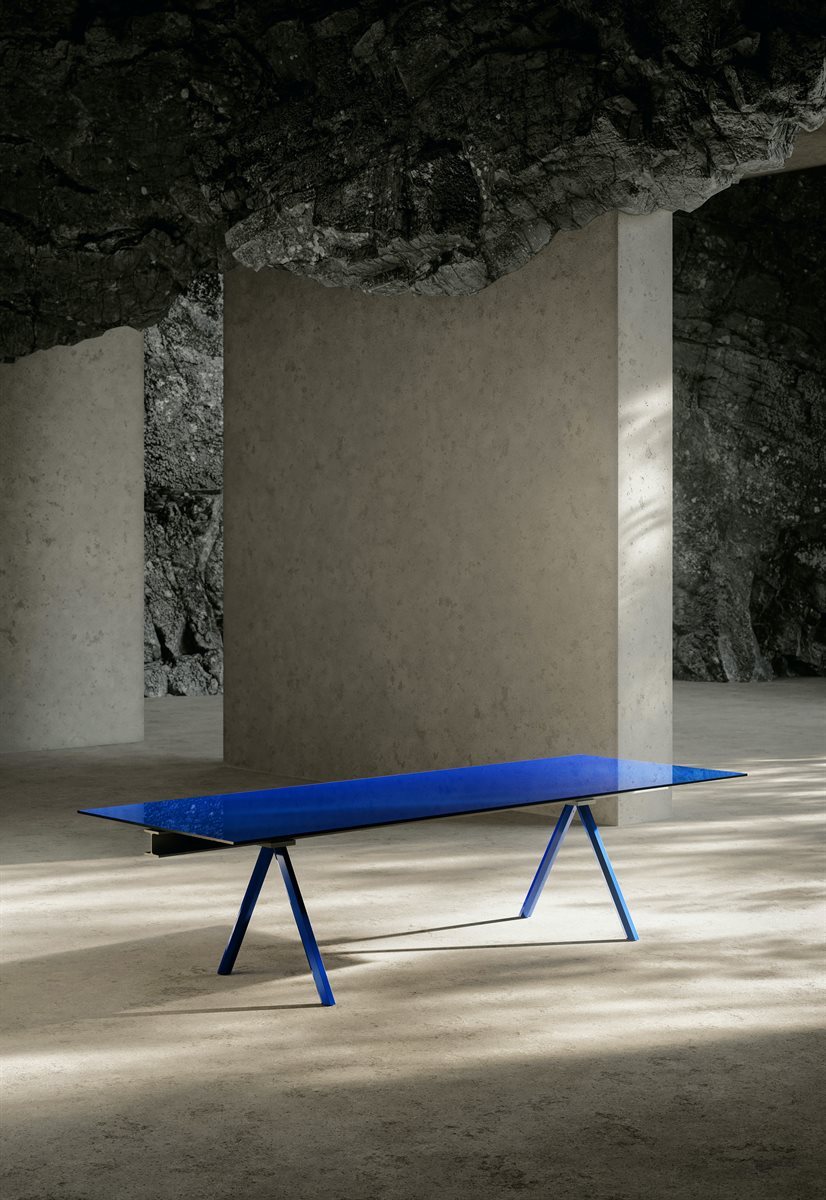
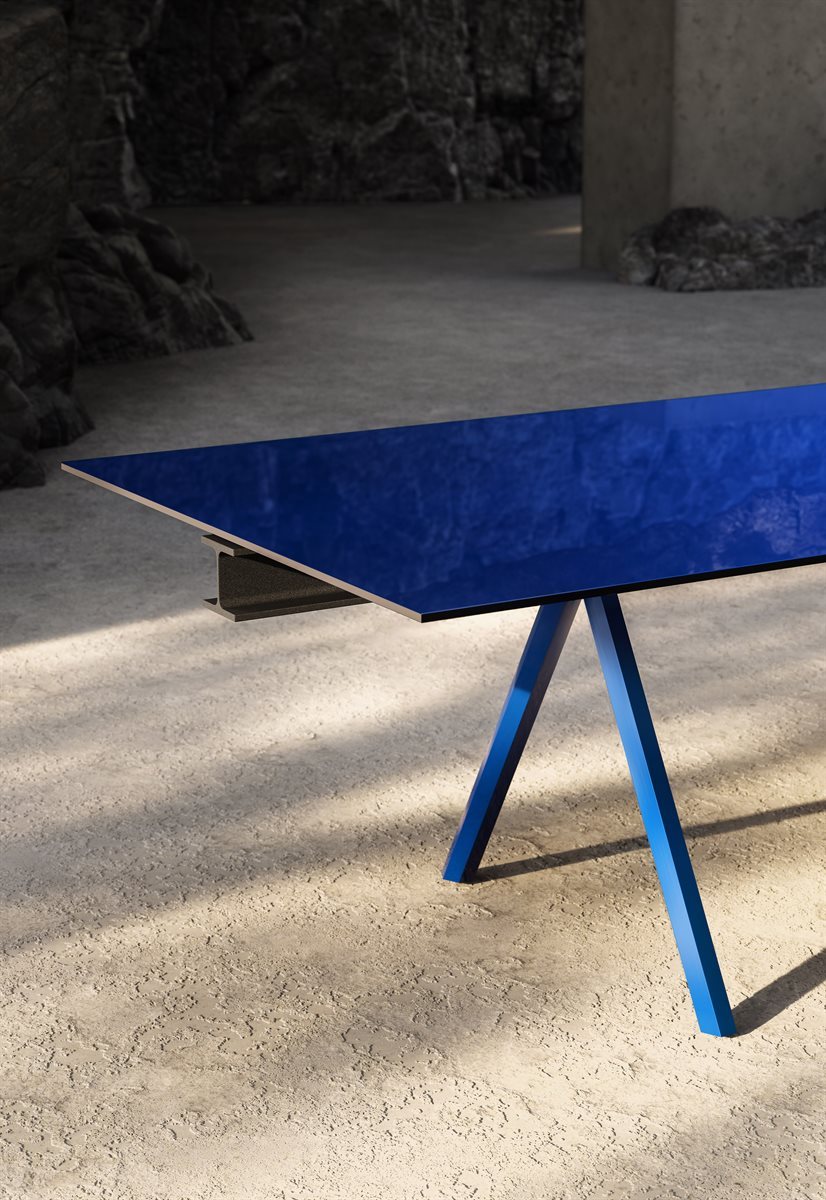
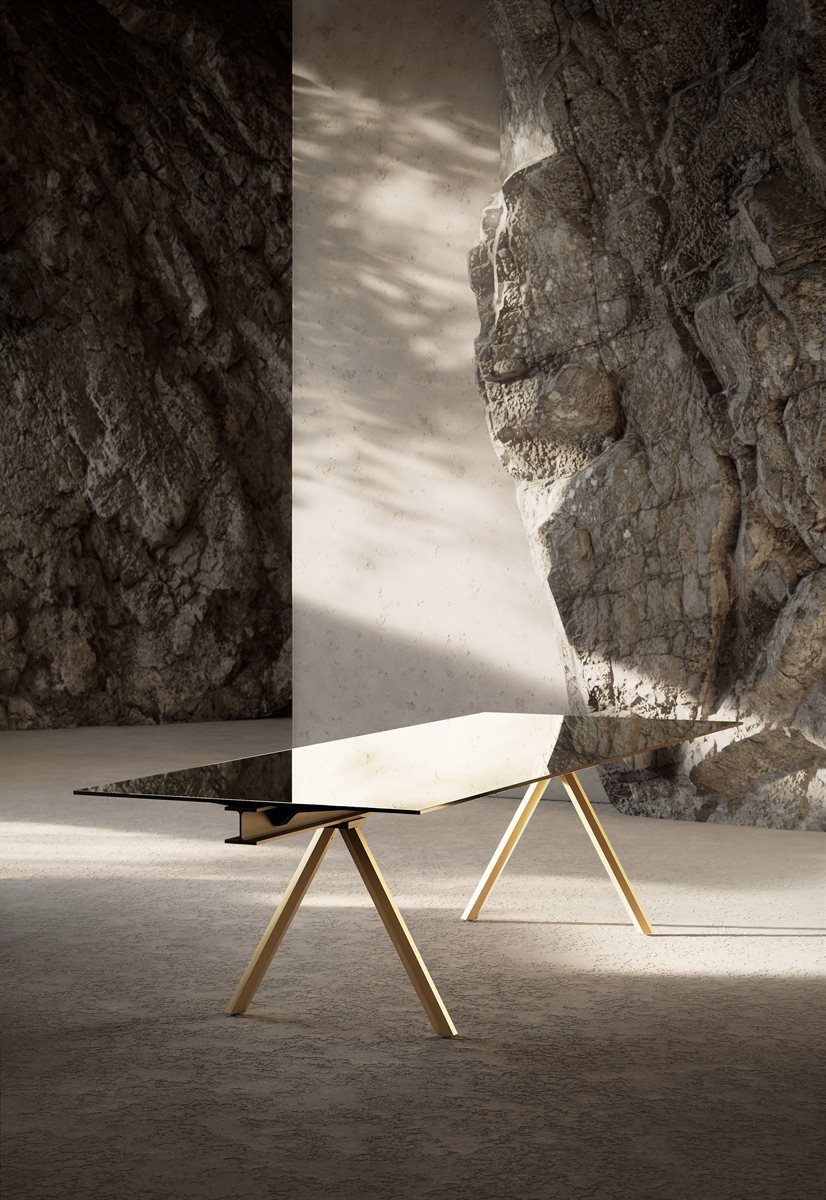
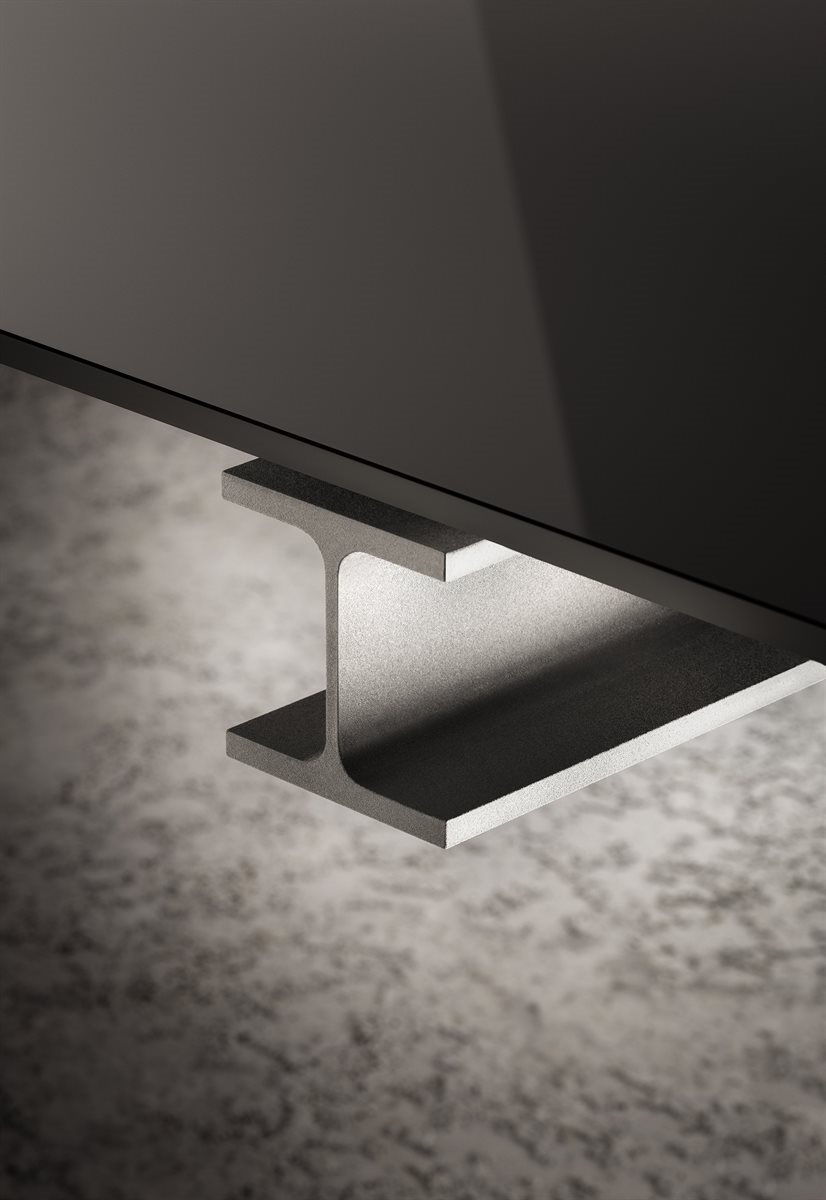
Technical Section – Glass and Mirrors
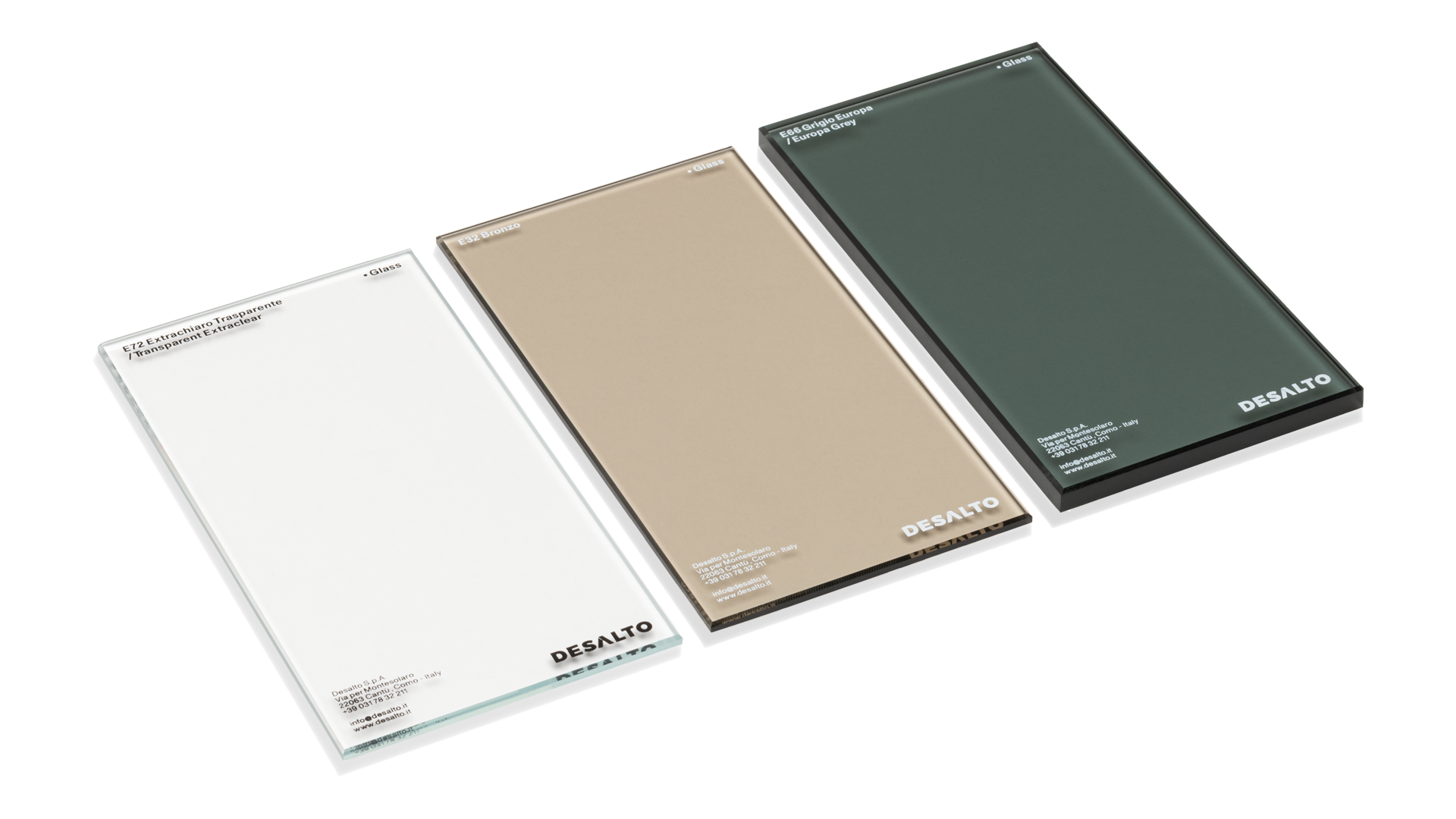
Crystal has always been one of the most captivating materials in the world of furniture. Its transparency, its ability to reflect and manipulate light, and its visually lightweight nature make it a central element in many designs that combine precision with sensitivity. Within the Desalto collection, crystal is offered in several variants, including clear glass and extra-clear glass: two solutions that share the same material essence but differ in optical performance, tone, and the purity of light they transmit. Clear glass is the most classic and widely used float glass, appreciated for its natural transparency and neutral tone, which adapts well to any environment. Its composition, based on silica sand, soda, and lime, contains a natural amount of iron oxides, which give the material a slight green-blue tint—most noticeable along the edge or the thickness of the panel. This chromatic detail, which becomes more pronounced as the glass thickness increases, gives clear glass a subtle yet recognizable presence, harmoniously interacting with metal surfaces and cool finishes while accentuating the material’s visual depth. Extra-clear glass, unlike traditional clear glass, undergoes a refining process that drastically reduces the iron oxide content in its mix. This special composition provides exceptional transparency, an extremely neutral color, and high light transmission. The edges of extra-clear glass are practically colorless, free from the typical greenish tint of standard glass. Light passes through the panel in a purer, more linear manner, delivering a visually “lighter” perception. This quality makes extra-clear glass ideal for projects where clarity of design and color fidelity of underlying or surrounding materials are paramount: the color and texture of supporting structures or surfaces remain unaltered, without chromatic interference.
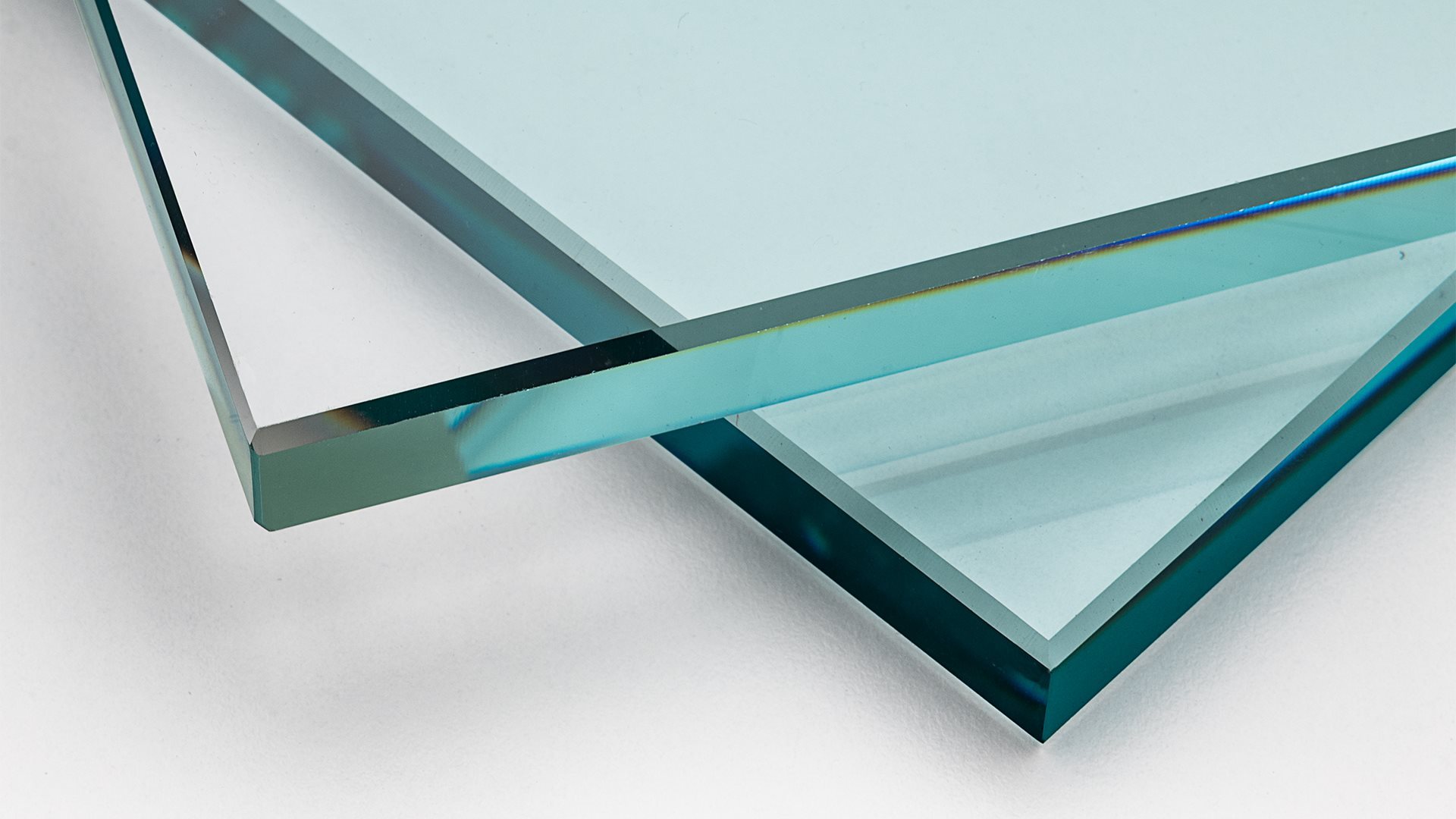
The main difference between the two types of glass becomes apparent when observing the material’s thickness. In standard clear glass, the edges take on a green-aquamarine tint that varies in intensity depending on thickness: it is barely noticeable in thinner panels but becomes a distinctive visual feature in thicker ones. This chromatic effect results from the refraction of light through the material’s natural micro-impurities and can impart a warmer, more artisanal character to the piece. In extra-clear glass, by contrast, the thickness appears perfectly neutral, almost white, with only subtle bluish reflections. The complete absence of green tones allows the panel to be perceived as a volume of pure light, blending seamlessly with the surrounding environment without altering its colors. The choice between clear and extra-clear glass is not a technical decision but an aesthetic and perceptual one. Extra-clear glass suits more minimalist designs, where optical purity and chromatic neutrality become central to the composition. Both versions, despite their differences, retain the unmistakable elegance of crystal, highlighting the precision of geometries and the visual lightness of Desalto products. Choosing between “natural” and “absolute” transparency becomes a way to interpret the material according to different sensibilities, all consistent with the pursuit of balance, light, and harmony that has always defined the brand’s identity.